Covert Contact 88: Protecting the British Royal Family
Fred Burton recalls protecting the British royals, from the intelligence work behind a visit to the demands of guarding Princess Diana and the personal cost of constant public attention.
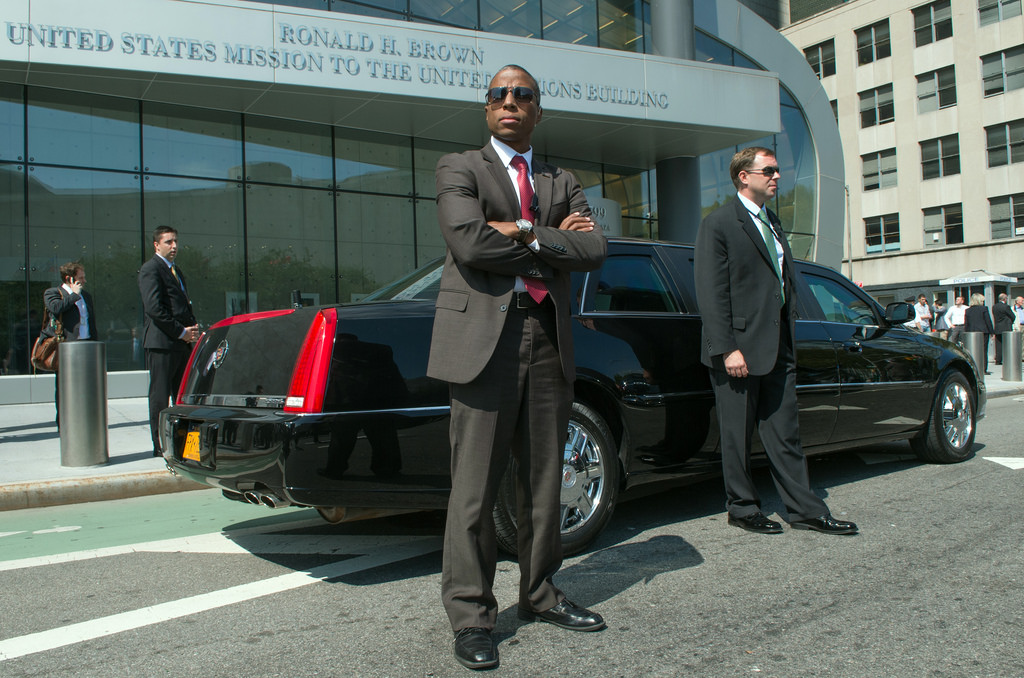
Fred Burton joins me to describe the work behind protecting members of the British royal family during visits to the United States. Drawing on his time with the State Department’s Diplomatic Security Service, he explains how a royal visit set in motion intelligence assessments, coordination with British counterparts, and preparations that extended well beyond the agents visible beside a car or in a crowd.
We discuss how previous trips and known threats informed the planning, and why each visitor and venue brought a different set of concerns. Analysts helped build and maintain the threat picture while protective agents, local police, and other teams handled the visit itself. Fred describes that assessment as continuing work, with information from one trip helping prepare for the next.
Princess Diana features prominently in his recollections. The attention surrounding her created difficult conditions even when people simply wanted a photograph or a brief encounter. Fred recalls the unusual demands of accompanying her and her children at Disney World, as well as a nighttime encounter with a photographer concealed near a protected property. Those stories show how quickly ordinary curiosity, intrusive behavior, and a security response could collide.
The conversation also considers what technology had changed by the time of this 2017 discussion. Better information sharing and screening offered advantages, while drones and other emerging tools created new challenges, particularly for smaller protective teams with limited resources. Preparation still had to leave room for unexpected events and fast decisions.
We close with the personal cost of living under constant attention. Fred reflects on the loss of privacy, the restrictions that accompany protection, and the difficulty of enjoying an ordinary life when strangers continually seek access. His account offers a view of both the professional effort behind a successful visit and the people living inside that protective bubble.