Covert Contact 67: The Manchester Attack
William J. Tucker joins John Little to discuss event security, preparedness, and the uncertain information environment immediately after the May 2017 Manchester Arena attack.
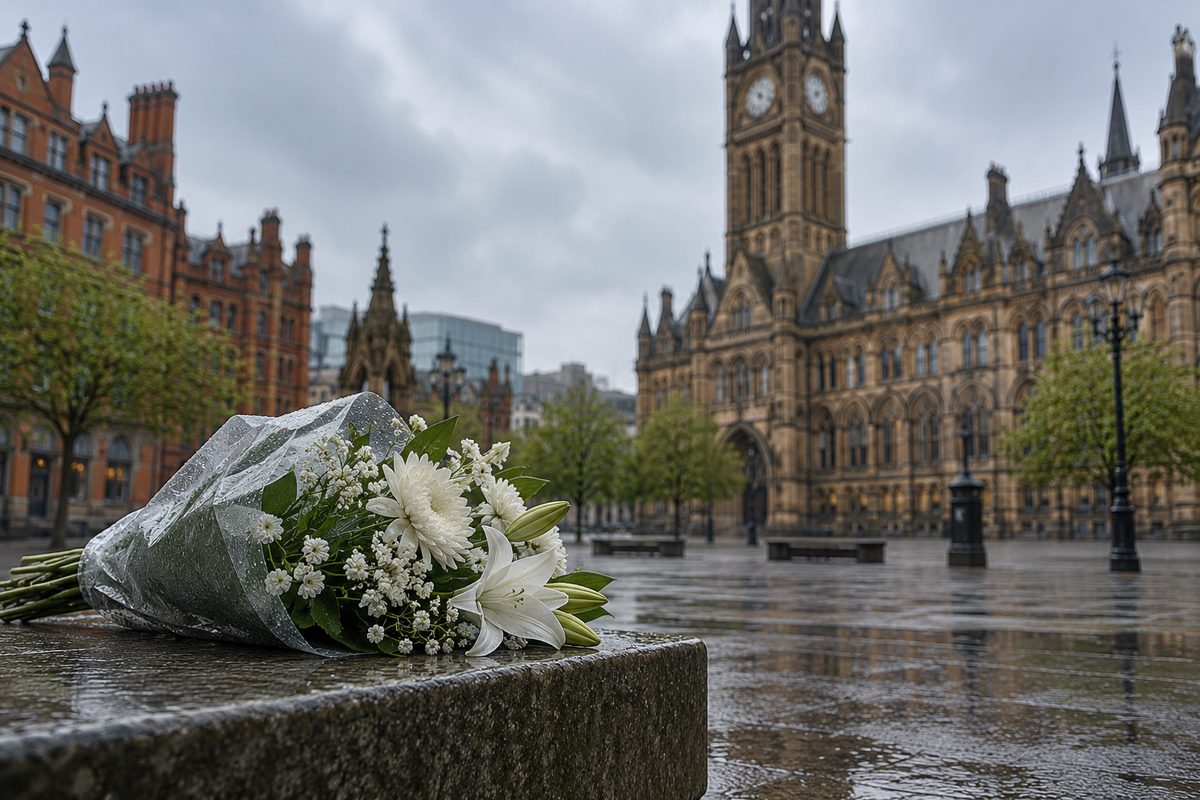
William J. Tucker joins me as Covert Contact returns from hiatus for a discussion recorded shortly after the May 22, 2017 attack at Manchester Arena. With the investigation still developing, we consider the challenges of protecting large public events and making sense of the first reports after an attack.
At the time, I had joined the Institute for the Future as a 2017 Future for Good Fellow, spent time in Iceland with the IFTF team and members of the Icelandic government, and relocated for a new job. Those commitments had kept the podcast on hold.
William emphasizes the need to think about security throughout an event, including the period when audiences leave. We discuss the limits of protective measures, the importance of managing crowds, and the value of reducing harm even when every attack cannot be prevented. The conversation also considers why attacks associated with prominent cultural events attract sustained attention.
We look at the broader counterterrorism effort and the practical cooperation between government, emergency services, private security, and venue staff. William describes training intended to help people already on site respond constructively before emergency personnel arrive. Both of us argue that the work of dedicated professionals and improvements in preparedness can be overlooked amid the understandable anguish following an attack.
Much of the episode focuses on the information environment. Early eyewitness accounts, official statements, and media reports can all be incomplete or mistaken. We discuss the difference between uncertainty and deliberate disinformation, the pressure for immediate answers, and the value of patient, carefully sourced reporting that reconstructs events over time.
We close by reflecting on the difficulty of analyzing terrorism without losing sight of its human cost. The discussion captures our initial assessments in May 2017, including questions that remained unresolved when we recorded. It should be understood in that historical context, before the subsequent investigation and public inquiry.