Covert Contact 80: The Kurdish Problem
Phillip Smyth joins me to examine Kirkuk, Kurdish factionalism, Iranian influence, and the regional pressures surrounding the 2017 independence referendum.
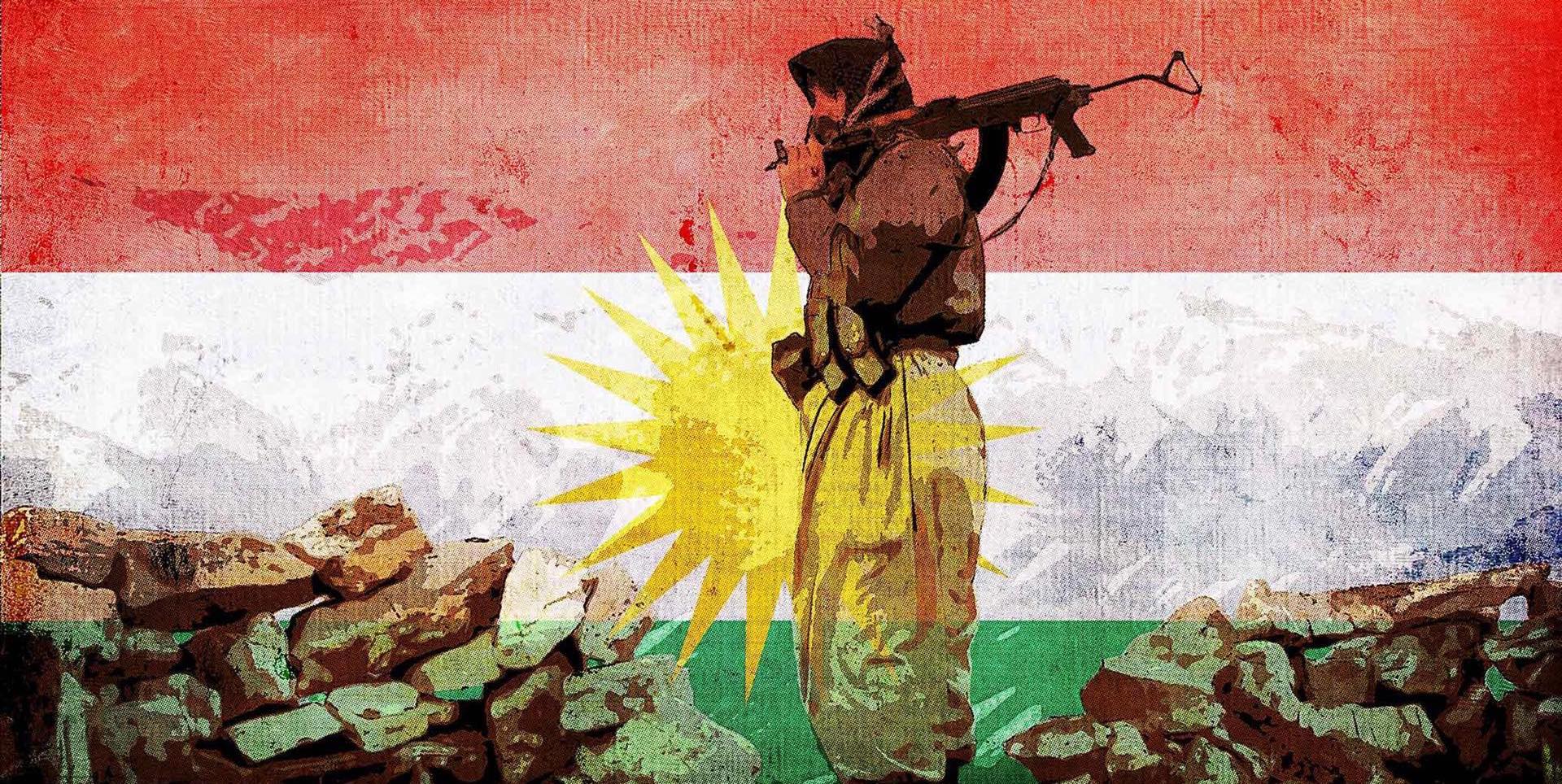
Phillip Smyth joins me to examine the fallout from the 2017 Kurdish independence referendum and the loss of Kirkuk. We look at the political divisions, local interests, and regional pressures behind a crisis that is difficult to understand if the Kurds, the Iraqi government, or Iraq's Shia factions are treated as unified actors.
Phillip begins with the rivalry between the KDP and PUK and the different loyalties within the Peshmerga. The events around Kirkuk expose tensions that a shared struggle against ISIS had not resolved. We also discuss the city's significance to Kurdish aspirations, including its oil fields, while considering the interests of Turkmen and other communities whose views are often lost in a simple account of Kurdish independence.
Iran is central to the discussion. Phillip explains why he sees Tehran as a major beneficiary of a confrontation between American partners, and how Iranian relationships with political figures and militia networks complicate Washington's choices. At the same time, he describes Prime Minister Haider al-Abadi's own incentives and constraints. Iraqi nationalism, resistance to Kurdish secession, and competition among Shia political forces give the situation dimensions that cannot be reduced to a single Iranian plan.
We explore the importance of oil revenues, territory, and outside investment to the independence project, along with the political damage caused by losing ground and deepening mistrust between Kurdish factions. Popular support for independence may endure even as the practical path toward it becomes more difficult.
The conversation closes with a broader concern about American policy. Defeating ISIS does not settle the disputes over power, identity, and territory that shape Iraq and its neighbors. We question an approach that emphasizes formal institutions while underestimating personal relationships, factional loyalties, and the ways regional powers use them. Understanding those forces is essential to recognizing the risks that remain after the most visible military campaign ends.
GHOST: Confessions of a Counterterrorism Agent
Chasing Shadows: A Special Agent's Lifelong Hunt to Bring a Cold War Assassin to Justice