Software Updates Matter So Much More in the AI Era
AI is accelerating vulnerability discovery and exploit development. Keeping your browser, phone, computer, and connected devices updated is one of the simplest ways to close known security gaps before attackers can use them.
If you aren’t exceedingly diligent about keeping your operating system, phone, browser, and key software updated right now, you are going to have a really bad time.
The cybersecurity landscape is shifting fast. When the digital floodwaters are rising, you can’t control every leak. But you don’t have to make things worse by leaving the front door wide open.
For years, the familiar advice was simple: don’t click on weird links from deposed royalty, use a password manager, and install your software updates. Too many people treated that last part as something to do whenever they got around to rebooting.
It was a human-paced game. Security researchers found bugs at a human pace, software vendors patched them on a predictable monthly schedule, and hackers wrote exploits as fast as their caffeine intake allowed.
That habit is getting harder to defend.
AI is changing the security picture from two directions at once.
First, the rush to bolt AI onto everything has created a messy new attack surface. Developers are connecting agents to local files, corporate databases, and everyday apps through plumbing like the Model Context Protocol (MCP). Those connections give useful tools access to sensitive information, but they also raise the stakes when the tools aren’t trustworthy. In September 2025, Postmark warned about a malicious package impersonating its MCP integration that secretly copied outgoing emails to an external server. Postmark’s own services were not compromised. The danger was the unofficial tool people had installed.
Second, AI is becoming an industrial-grade crowbar for finding and exploiting vulnerabilities in existing software.
Finding an obscure flaw or turning a security patch into a working exploit once demanded substantial specialist effort. AI is reducing that barrier. In April 2026, Anthropic described its model finding a 27-year-old OpenBSD vulnerability and autonomously building exploits for other software flaws. These were research results, not proof that every attacker can instantly compromise every device. They still show why defenders cannot assume yesterday’s pace will hold.
This isn’t confined to the laboratory. In an espionage campaign disclosed in November 2025, Anthropic estimated that AI performed 80–90% of the work, with humans intervening at a handful of critical decision points. The company also reported errors and hallucinations. That percentage describes one observed campaign, not all hacking, but the direction is clear.
Look at the volume of fixes coming down the pipe. Rapid7 counted 1,413 Microsoft vulnerabilities in the October 13, 2026 Patch Tuesday release. Defensive AI is part of this story too: vendors and researchers can use it to find flaws before attackers do. Microsoft has acknowledged AI-assisted vulnerability discovery while exploring ways to help customers prioritize increasingly large security releases. More fixes are a good thing, provided they actually get installed.
The patching treadmill is moving faster. Stepping off it is not the answer.
Here is the core problem: a published fix can also give attackers a roadmap to the bug. Anthropic’s research demonstrated autonomous exploit development from public vulnerability identifiers and patch information. That does not mean every update triggers an immediate exploit. It does mean we should stop assuming there will be a comfortable grace period.
Despite that, Verizon’s 2026 Data Breach Investigations Report found a median of 43 days to fully remediate vulnerabilities in CISA’s Known Exploited Vulnerabilities catalog in its organizational dataset. That is not a measure of how quickly individuals update their phones, but it illustrates the gap between a fix being available and protection reaching the systems that need it.
We are heading into a period of increasingly automated attacks and defenses. Zero-days will still slip through. Services will still get breached. You can’t control whether a cloud provider or your favorite app gets everything right.
What you can control is whether you leave a known, fixable weakness sitting on your own devices.
You don’t need an unstoppable, sci-fi zero-day to break into software that already has a patch waiting to be installed. Treating updates as an annoying interruption is a habit worth breaking now:
- Stop snoozing your browser. Your browser is a primary exposure point to the internet. When it says an update is ready, save your work and relaunch it. Not Friday. Now.
- Turn on automatic updates for your computer and phone, and let them reboot. A downloaded update may still need a restart to finish installing. When your phone offers to install an update overnight, let it.
- Prune your digital junk drawer. Every browser extension, dusty desktop app, and trendy AI plugin you installed once and forgot about adds something else to maintain. If you don’t use it, delete it. You don’t have to patch software you don’t have.
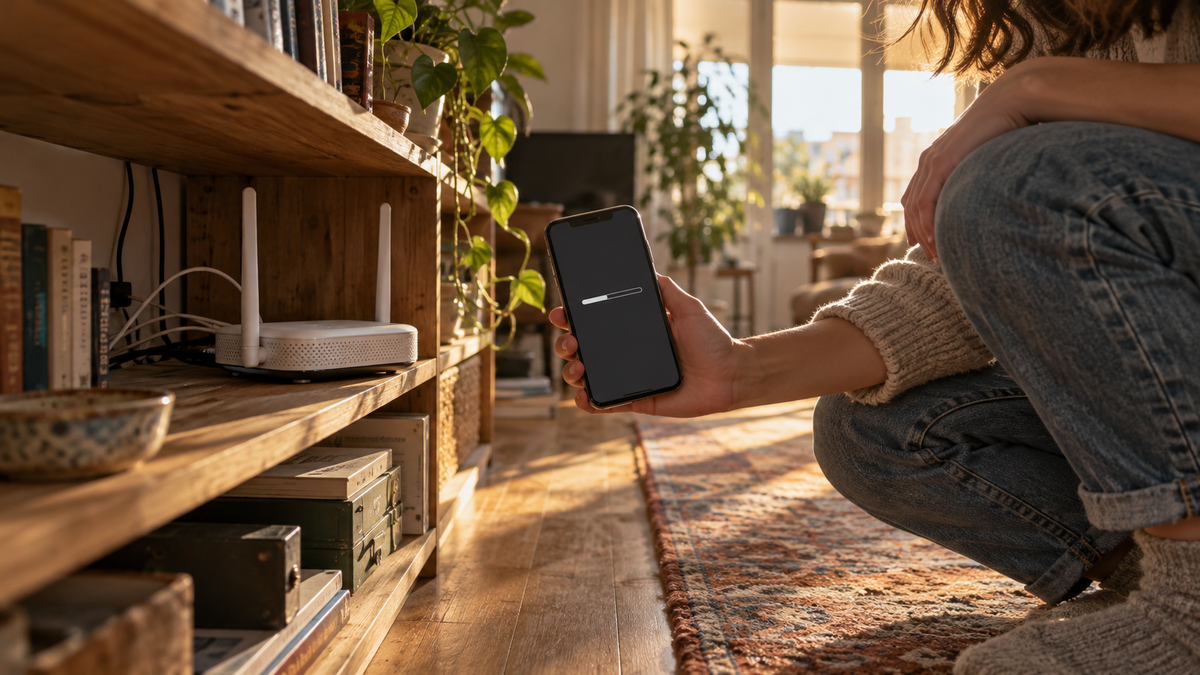
- Don’t forget the quiet hardware. Your home router and NAS drive run software too. Check the manufacturer’s app or admin panel for security updates and enable automatic updates where available.
The notifications may be annoying. The reboot may interrupt what you’re doing. Embrace that small amount of friction. Updates won’t prevent every attack, but installing them promptly closes doors that do not need to stay open.